
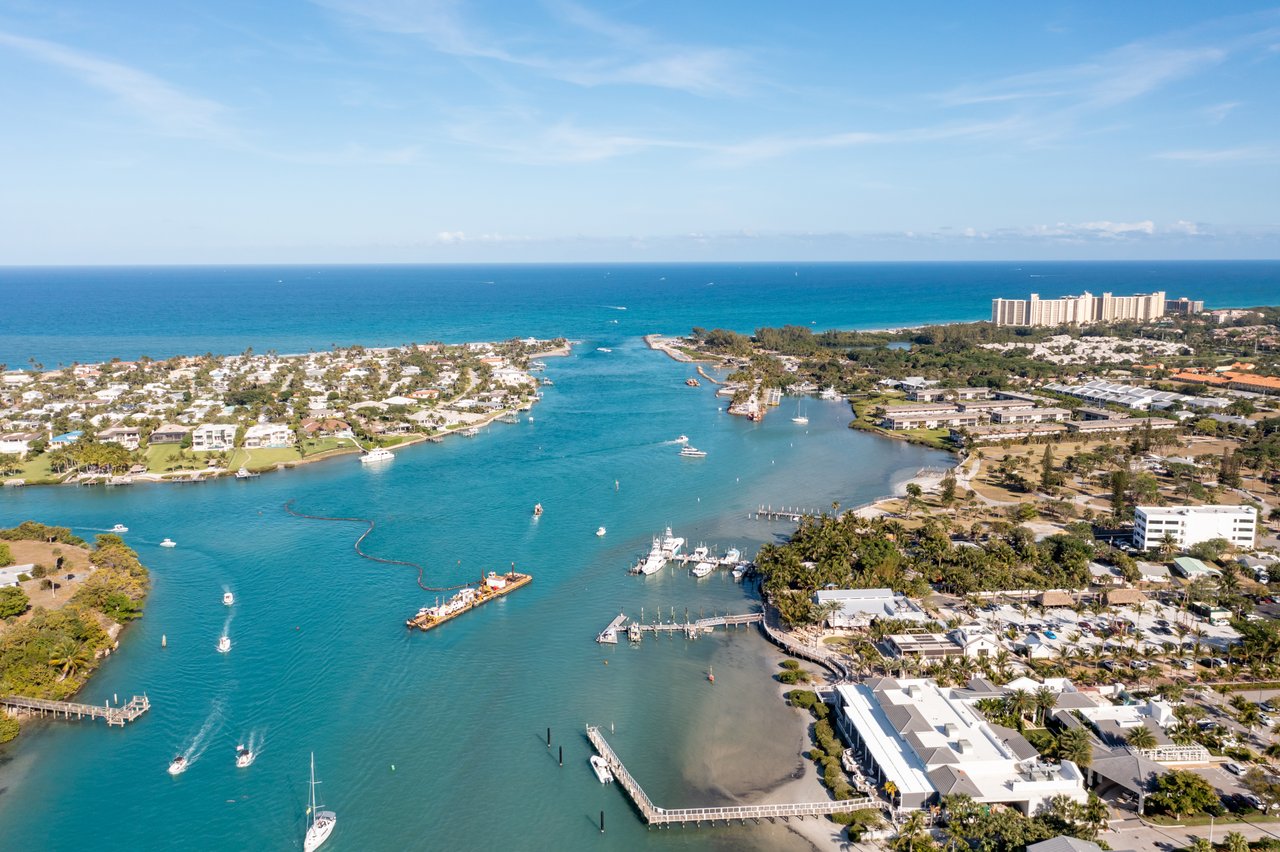
Welcome to Florida — you've made a great move. Palm Beach County is one of the most sought-after places to own a home in the country, and for good reason. But if you've relocated from another state, there are some important differences about Florida homeownership that can catch new residents off guard.
Insurance works differently here. Property taxes have unique protections you have to actively apply for. Hurricane season is real and requires genuine preparation. And there are deadlines, programs, and local resources that can save you significant money — if you know they exist.
This guide covers everything you need to know in your first year as a Palm Beach County homeowner.
At LUXE IQ Group, Broker Dennis Lue Yat and the team work with buyers and new Florida residents across Palm Beach County every day. Part of our role as a trusted local brokerage is making sure our clients feel confident and informed long after closing day — not just during it.
File Your Homestead Exemption — Don't Miss the Deadline
This is the first and most important thing to do after closing. Florida's Homestead Exemption removes up to $50,000 from your home's assessed value every year you own and occupy it as your primary residence — saving most homeowners between $400 and $1,100 annually on their property taxes.
But it doesn't happen automatically. You have to apply by March 1 of the year you want the exemption to take effect. Miss that deadline and you're waiting another full year.
- Apply online at pbcpao.gov (Palm Beach County Property Appraiser)
- You must own and occupy the property as your primary Florida residence as of January 1
- Update your Florida driver's license to reflect your new address before applying
- The exemption does NOT transfer from the previous owner — every new homeowner must file their own
Once your Homestead Exemption is active for one full year, Florida's Save Our Homes amendment automatically limits your assessed value from rising more than 3% per year — regardless of how fast the market climbs. In Palm Beach County's fast-moving market, this cap is enormously valuable over time.
Understand Florida's Homeowner's Insurance Landscape
Florida's insurance market is unlike any other state, and new residents are often surprised by the cost and complexity. Premiums here are among the highest in the country — driven by hurricane exposure, litigation history, and reinsurance costs. Understanding what you're buying (and what you're not) matters.
A few things every new Florida homeowner needs to know:
- Flood insurance is separate. Standard homeowner's policies do not cover flooding. If your home is in a flood zone — or even near one — you need a separate flood policy. FEMA's Risk Rating 2.0 prices each property individually based on elevation, distance to water, foundation type, and more. Two homes on the same street can have dramatically different premiums.
- Wind coverage may also be separate. In coastal areas within 1,500 feet of a major body of water, windstorm coverage may need to be purchased separately or through Citizens Property Insurance, Florida's insurer of last resort.
- Citizens is stabilizing. Statewide, Citizens policyholders are seeing average reductions of around 8.7% in their Spring 2026 renewals as market reforms take hold and private carriers re-enter the market.
- Your hurricane deductible is separate from your regular deductible. Read your policy and know both numbers before storm season.
Get a Wind Mitigation Inspection — It Can Save You Thousands
A wind mitigation inspection evaluates how well your home is built to withstand hurricane-force winds. Inspectors assess your roof, roof-to-wall connections, roof deck attachment, and window/door opening protection. The results are submitted to your insurance company, which is required by Florida law to apply discounts for verified wind-loss reduction features.
Depending on your home's construction and features, these discounts can reduce your wind insurance premium by a meaningful amount — sometimes significantly.
As of April 1, 2026, Florida has introduced an updated Uniform Mitigation Verification Inspection Form (OIR-B1-1802). All new inspections must use this revised form, which includes additional documentation requirements, new required data points (like roof slope and regional wind design criteria), and more defined classifications. If your existing report was completed before April 2026, check with your insurer about its continued validity.
Eligible homeowners can also apply for the My Safe Florida Home Program, which offers free wind mitigation inspections and matching grants of up to $10,000 to fund storm-hardening improvements like impact windows, hurricane shutters, and roof reinforcements. The 2026–2027 budget has proposed over $600 million for the program — but funding historically runs out fast. Apply early.
Take Hurricane Season Seriously — Prepare Before June 1
Florida's hurricane season runs June 1 through November 30, with the most active period typically between mid-August and late October. New Florida residents often underestimate this — until they experience their first named storm.
The good news for 2026: forecasters are projecting a near-to-below-normal Atlantic season, in part due to expected El Niño conditions developing mid-to-late summer. That said, warm Gulf waters remain a wildcard, and all homeowners should be fully prepared regardless of seasonal outlooks.
Before June 1, every Palm Beach County homeowner should:
- Know their evacuation zone (Zones A–E in Palm Beach County) at Florida Disaster: Division of Emergency Management
- Build or update a household emergency kit (water, food, medications, power banks, radio)
- Inspect the roof, clear gutters, trim trees, and secure or store outdoor furniture
- Test any generator and ensure fuel is on hand
- Review insurance coverage and understand deductibles before a storm is named
- Download the Florida Storms app for geotargeted alerts and evacuation routes
Understand Your Property Tax Bill
Florida has no state income tax, which is one of the reasons so many people relocate here. But property taxes are a real cost — and Palm Beach County values are among the highest in the state. Here's how the system works:
- Every August you'll receive a TRIM notice (Truth in Millage) from the Palm Beach County Property Appraiser showing your assessed value and estimated tax bill for the year.
- You have 25 days from the TRIM notice to challenge your assessed value with the Value Adjustment Board (VAB). Miss this window and you accept the assessment for that year — it cannot be undone.
- Sign up for free Official Records monitoring through the Palm Beach County Clerk's office at mypalmbeachclerk.com. You'll receive an alert within 48 hours if any document is recorded using your name — a valuable fraud-prevention tool.
Know Your HOA Rules Before You Renovate or Landscape
Many of Palm Beach County's most desirable communities are governed by homeowner associations. If your home is in an HOA, understanding the rules before you make any changes to the exterior, landscaping, driveway, or structure is essential — violations can result in fines and mandatory remediation at your expense.
- Request a full copy of the CC&Rs (Covenants, Conditions & Restrictions) and review them carefully
- Understand what requires HOA approval before starting any exterior project
- Know your HOA fee structure and what's included (some cover landscaping, gates, amenities)
- Attend HOA meetings — it's the best way to stay informed and get involved in the community
Pull Permits for Any Significant Work on Your Home
Florida's building codes are among the toughest in the country — and for good reason. The 2024 Florida Building Code (8th Edition) raised wind-load thresholds, tightened roof-deck fastening requirements, and mandated secondary water barriers. These standards aren't just about safety; they directly impact your insurance premiums and your ability to sell or refinance.
Any significant structural work, roofing, electrical, plumbing, or addition requires a permit. Unpermitted work can create serious issues when it comes time to sell — buyers and their lenders will flag it during inspection, and it can kill a deal or require costly remediation.
Get to Know Your Community — Palm Beach County Rewards It
This might be the most underrated piece of advice for anyone new to Florida: invest in your community. Palm Beach County is not one-size-fits-all. Whether you're in Wellington, Jupiter, West Palm Beach, Royal Palm Beach, or anywhere in between, each area has its own personality, events, school zones, and neighbor networks.
- Introduce yourself to neighbors and get connected with local Facebook or Nextdoor groups
- Look into local farmers markets, community events, and seasonal festivals — Palm Beach County has them year-round
- Register your children for school early — school zone assignments can affect your options, and waitlists for sought-after programs fill quickly
- Find your nearest hurricane shelter and know your evacuation zone before you need it
The more connected you are to your community, the easier it is to navigate Florida life — especially when storm season rolls around or you need a trusted contractor recommendation fast.
Florida homeownership comes with a learning curve — but once you understand the landscape, it's one of the most rewarding places in the country to own property. The tax advantages, the lifestyle, the weather, and the long-term appreciation potential in Palm Beach County make it a genuinely exceptional place to put down roots.
If you have questions about any of the above — or just want a trusted local resource to help you settle in — the LUXE IQ Group team is here. We work with homeowners across Palm Beach County every day, and we're happy to point you in the right direction.
What is the Homestead Exemption and how do I apply in Palm Beach County?
Florida's Homestead Exemption reduces your home's assessed value by up to $50,000 if it's your primary residence, saving most homeowners between $400 and $1,100 per year in property taxes. You must apply by March 1 through the Palm Beach County Property Appraiser's website at pbcpao.gov. The exemption does not transfer from the previous owner — every new homeowner must file their own application.
Is flood insurance required in Palm Beach County?
Flood insurance is not included in standard homeowner's policies and must be purchased separately. Whether it's required depends on your flood zone designation and your mortgage lender's requirements. Even if your lender doesn't require it, it's strongly recommended in many parts of Palm Beach County. FEMA's Risk Rating 2.0 now prices flood insurance individually by property, so premiums can vary significantly between neighboring homes.
What is a wind mitigation inspection and do I need one?
A wind mitigation inspection evaluates how well your home is built to withstand hurricane-force winds. Florida law requires insurance companies to apply premium discounts for verified wind-loss reduction features. Getting an inspection — and submitting the results to your insurer — can meaningfully reduce your annual premium. As of April 1, 2026, all inspections must use Florida's updated mitigation form. Eligible homeowners can also receive free inspections through the My Safe Florida Home program.
When should I start preparing for hurricane season?
Before June 1 — every year, without exception. Supplies sell out quickly once a storm is named, and preparation done under pressure is always more stressful and less effective. Know your evacuation zone, build your emergency kit, inspect your home, and review your insurance well before the season starts. Download the Florida Storms app for real-time alerts and evacuation information specific to Palm Beach County.
Can LUXE IQ Group help me navigate buying or settling into Palm Beach County?
Absolutely. Dennis Lue Yat and the LUXE IQ Group team work with buyers, sellers, and new residents across Palm Beach County — including Wellington, Jupiter, West Palm Beach, Royal Palm Beach, and surrounding communities. Whether you're still searching for the right home or you've already closed and have questions about what comes next, we're here to help.
New to Palm Beach County? Let's Talk.
Whether you're just getting settled or still looking for the right home, the LUXE IQ team is here with the local knowledge and honest guidance you need to feel at home in Florida.